


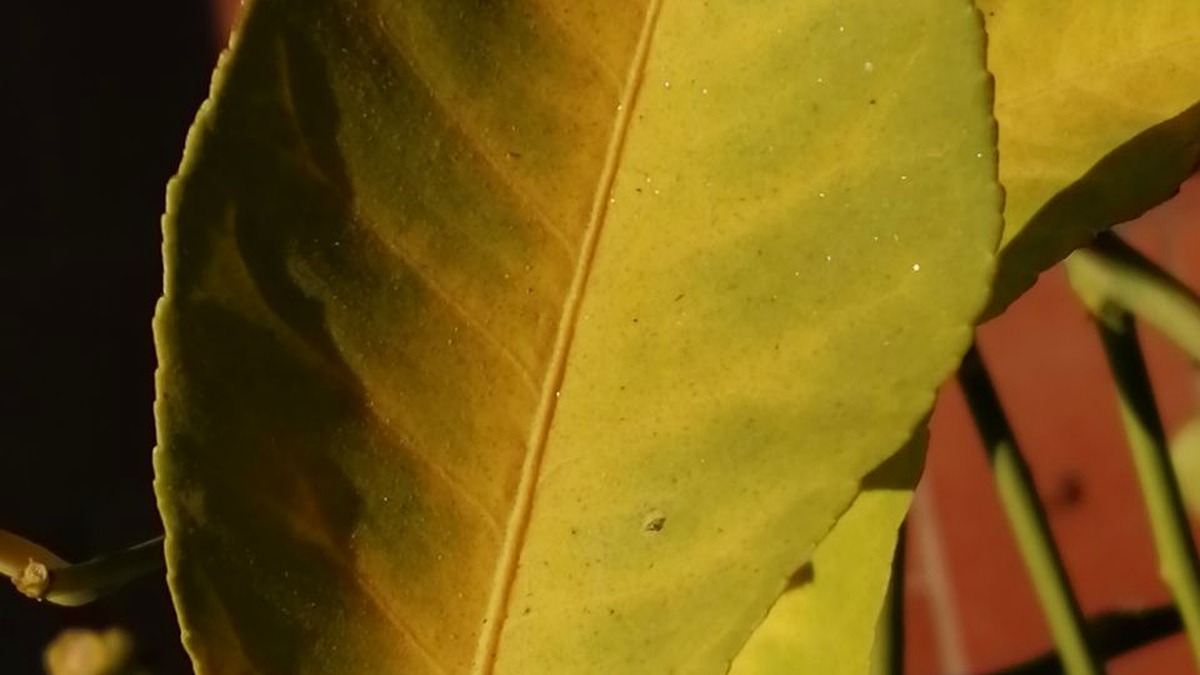
Nothing dampens a plant lover’s excitement quite like walking into a room and spotting pale, discolored foliage on a prized houseplant. When your once-vibrant green leaves begin fading to pale lemon or dull golden hues, it is natural to feel anxious. If you find yourself asking, why are my plant leaves turning yellow?, take comfort in knowing that this is the single most common question in indoor gardening. Yellowing leaves (known botanically as chlorosis) are your plant’s way of communicating that one or more care factors are out of balance. In this guide, we break down every possible reason and show you step-by-step how to restore your houseplant to full, lush vitality.
Understanding Chlorosis: How Plants Signal Stress
Healthy foliage maintains its deep green color thanks to chlorophyll, the vital green pigment responsible for absorbing sunlight during photosynthesis. When an environmental factor disrupts water intake, nutrient delivery, or cellular respiration, chlorophyll production slows down or breaks down entirely. The underlying yellow carotenes and xanthophylls become visible, producing that dreaded yellow tint.
Because leaves cannot speak, yellowing is a generalized distress signal. To figure out why are my plant leaves turning yellow on your specific specimen, you must act like a botanical detective: inspect where the yellowing occurs, examine soil moisture, check light exposure, and inspect leaf undersides for unwelcome pests.
Reason 1: Overwatering and Poor Drainage (The #1 Culprit)
By a wide margin, saturated soil is the most frequent reason why indoor foliage turns yellow. When soil remains waterlogged, air pockets collapse, suffocating root cells and preventing them from absorbing oxygen.
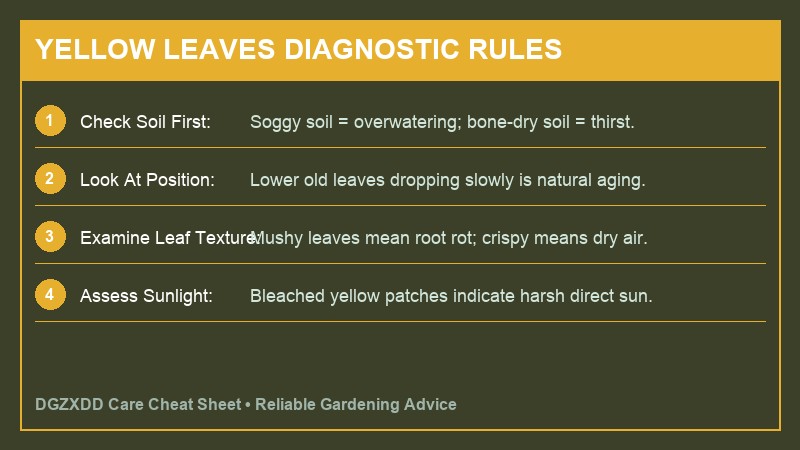
- How to Identify It: Leaves turn yellow all over, feeling soft, limp, or slightly mushy to the touch. Yellowing often starts on lower, older leaves and progresses rapidly upward. The potting soil feels damp or smells stale and swampy.
- The Underlying Damage: Prolonged moisture invites anaerobic fungi that attack delicate root hairs, leading to root rot. Ironically, because rotted roots can no longer drink, the upper leaves turn yellow and droop from moisture starvation despite being surrounded by wet soil.
- The Fix: Allow the top 2 to 3 inches of soil to dry completely before watering again. Ensure your planter has functioning drainage holes. If soil remains soggy for days, slide the plant out of its pot, trim away dark mushy roots, and repot into fresh, well-aerated soil mix.
Reason 2: Under-Watering and Dehydration Stress
While excess water leads to mushy yellow leaves, chronic under-watering produces a distinctly different appearance that also causes yellowing.
- How to Identify It: Yellowing leaves feel dry, paper-thin, or brittle. Foliage often curls inward along the margins, and crisp brown edges usually accompany the yellow color. The entire pot feels unusually light when lifted.
- The Underlying Cause: When roots cannot pull up enough water to support the whole plant, the specimen makes an executive decision to shed older foliage to conserve remaining moisture for newer growth.
- The Fix: Provide a deep bottom-watering session or slowly pour lukewarm water through the top until it runs freely into the drainage tray. Allow the root ball to absorb water for 20 minutes, then discard remaining runoff. Establish a regular routine of checking soil moisture rather than sticking to a rigid calendar schedule.
Reason 3: Incorrect Lighting Conditions
Lighting provides the fuel for plant metabolism. When lighting is inadequate or overly harsh, leaf coloration suffers quickly.
- Insufficient Light: If a houseplant sits too far from a light source, it cannot generate enough energy to sustain all of its foliage. It will deliberately sacrifice older leaves facing away from the light. These leaves turn pale yellow and drop off. Move the pot closer to a bright window or supplement with an LED grow light.
- Sun Scorch (Too Much Direct Light): Placing shade-loving foliage like Peace Lilies or Monsteras in direct, scorching midday sunlight can bleach leaf pigments. Scorch marks appear as pale yellow patches with papery bleached centers on top-facing leaves. Move the plant behind a sheer curtain to diffuse harsh rays.
Reason 4: Nutrient Deficiencies and Fertilizer Imbalances
If your watering and lighting habits are solid but you are still wondering why are my plant leaves turning yellow, depleted potting soil may be the reason. Potted plants have access to a finite reservoir of essential macro- and micronutrients.
- Nitrogen Deficiency: Nitrogen is an essential building block of chlorophyll. Because nitrogen is a mobile nutrient, a hungry plant redirects nitrogen from older bottom leaves to support tender new tip growth. Lower leaves slowly fade to uniform pale yellow. Apply a balanced liquid organic houseplant fertilizer diluted to half strength during the spring and summer.
- Iron Chlorosis: Characterized by distinct yellowing between leaf veins while the veins themselves remain bright green (interveinal chlorosis). This often stems from alkaline soil or high tap water pH locking up iron uptake.
- Fertilizer Burn: Applying concentrated synthetic fertilizers too frequently causes salt accumulation around roots, burning root tips and causing sudden yellowing with scorched tips. Flush the soil thoroughly with clean, filtered water to leach out excess salts.
Reason 5: Temperature Swings and Drafts
Most popular indoor houseplants are tropical species adapted to steady, warm jungle understories. Sudden temperature shocks trigger acute stress responses:
- Cold Drafts: Positioned near drafty windowpanes during winter chills or placed directly beneath an icy air conditioning vent can cause rapid leaf yellowing and sudden leaf drop.
- Radiator & Heat Register Heat: Blasts of dry, superheated air strip moisture from plant cells, causing leaves to turn yellow with crispy, curled edges. Keep houseplants at least 4 to 5 feet away from all heating vents and air conditioners.
Reason 6: Natural Aging of Older Leaves
It is important to remember that not all yellow leaves signify a crisis. Every plant has a natural life cycle. As a houseplant grows, individual leaves reach the end of their functional lifespan. The plant systematically reabsorbs stored nutrients from the oldest leaf at the very base of the stem, turning it soft yellow before it naturally detaches. If your plant is producing healthy, vibrant new green shoots at the top and only shedding a single bottom leaf every month or two, this is completely normal botanical aging.
Step-by-Step Diagnostic Checklist
Whenever you spot yellow leaves on your houseplants, follow this quick 5-step diagnostic process:
- Touch the soil: Insert your finger 2 inches into the potting mix. Is it soggy, bone dry, or comfortably cool and moist?
- Examine leaf texture: Are the yellow leaves soft and mushy (overwatering) or dry, crispy, and curled (under-watering or low humidity)?
- Check leaf location: Is the yellowing isolated to the oldest bottom leaves (natural aging or nitrogen shortage) or appearing randomly across new growth (pests or iron deficiency)?
- Inspect the underside: Look closely with a magnifying glass for tiny webs (spider mites) or sticky honeydew (scale and mealybugs).
- Review recent changes: Did you recently relocate the pot, turn on central heating, or apply full-strength fertilizer?
If you suspect root damage is behind the discoloration, read our emergency protocol on how to save an overwatered plant and discover how to water indoor plants correctly. Switching to a chunky aerated blend like our best soil mix for indoor plants prevents future rot.
Scientific Reference: Read in-depth diagnostic insights on chlorosis from the Penn State Extension Plant Disease Diagnostics.
Conclusion: Give Your Plant Time to Recover
Discovering why are my plant leaves turning yellow is the first and most crucial step toward becoming a skilled, observant plant caregiver. Plants are remarkably forgiving living beings; once you identify the environmental stressor and make gentle, calculated corrections, fresh new growth will quickly emerge. Be patient, avoid drastic over-corrections like soaking a drowning plant with fertilizer, and enjoy watching your indoor garden regain its lush, vibrant green radiance!
