








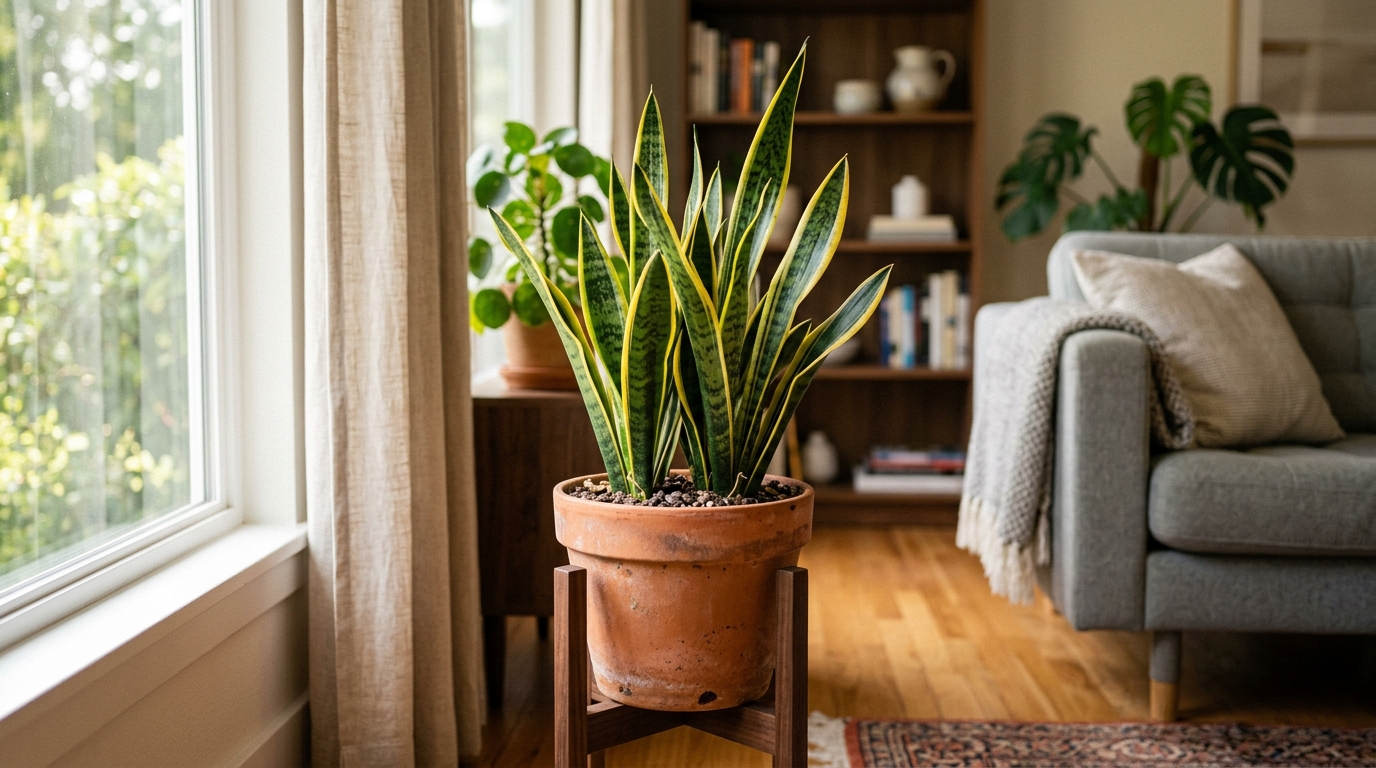
Bringing greenery into your living space should be a joyful and relaxing experience, not a source of constant stress. If you have ever worried about having a black thumb or accidental plant neglect, the architectural and resilient Snake Plant is your perfect companion. Known botanically as Dracaena trifasciata (and previously classified as Sansevieria trifasciata), this upright beauty adds modern elegance to any room while tolerating a wide range of growing conditions. In this comprehensive beginner walkthrough, you will learn exactly how to care for Snake Plant specimens at home so they thrive for decades to come.
Understanding the Natural Origins of the Snake Plant
To master the essentials of how to care for Snake Plant in an indoor setting, it helps to understand where it comes from. Native to the arid, tropical grasslands and rocky environments of West Africa, Snake Plants evolved under conditions of prolonged drought, rocky well-draining terrain, and intense sunshine. They developed thick, succulent-like leaves equipped with a thick waxy cuticle that holds substantial water reserves.
In addition, Snake Plants utilize a specialized photosynthetic pathway known as Crassulacean Acid Metabolism (CAM). In their native habitat, they open their stomata (leaf pores) during the cool night hours to exchange gases, preserving valuable moisture during hot daylight hours. Understanding this natural resilience makes indoor care straightforward: treat your Snake Plant like a tough desert succulent rather than a delicate rainforest fern.
Ideal Light and Temperature Conditions
One of the greatest virtues of the Snake Plant is its astonishing adaptability to variable light environments. While it often receives credit for surviving in deep shade, giving it appropriate light will reward you with steady growth and vibrant leaf variegation.
- Medium to Bright Indirect Light (Optimal): Position your pot a few feet away from an east-facing or south-facing window where it receives abundant filtered sunlight throughout the morning and afternoon.
- Low Light Tolerance: Snake Plants comfortably tolerate dim bedrooms, basement apartments, and interior hallways. Keep in mind that growth will slow considerably, and colorful yellow or silver borders may soften to darker green.
- Direct Harsh Sunlight: Avoid placing unacclimated leaves right up against blistering south-facing glass panes in the peak of summer, as concentrated rays can scorch the foliage and cause white or straw-colored burn patches.
In terms of ambient temperature, Snake Plants prefer standard room temperatures between 65°F and 85°F (18°C to 29°C). Keep them away from chilly air conditioning vents, drafty patio doors during winter frost, and scorching heating radiators.


How to Water Snake Plants Without Causing Root Rot
If there is one golden rule for learning how to care for Snake Plant successfully, it is this: under-watering is always safer than overwatering. Because the leaves store generous amounts of moisture, saturated potting soil is the leading cause of plant failure.
Follow this reliable seasonal watering schedule to keep the root system firm and healthy:
- The Soak and Dry Technique: Always wait until the potting mix has dried out 100% from the top surface all the way to the bottom drainage hole before offering water. Insert a wooden chopstick or moisture meter deep into the pot to confirm dryness.
- Spring and Summer (Active Season): Water approximately every 2 to 3 weeks, depending on ambient room temperature and light levels. Pour water evenly around the base until it runs freely through the drainage holes, then discard standing water from the saucer.
- Fall and Winter (Dormant Season): As daylight diminishes and growth naturally halts, reduce watering significantly. Most indoor Snake Plants only need a light drink once every 4 to 6 weeks during cold winter months.
- Avoid the Center Rosette: Always apply water directly to the soil surface. Pouring water directly into the center crown of the plant can trap stagnant moisture and trigger fungal crown rot.
Best Soil Mix and Pot Selection for Healthy Growth
A resilient plant deserves a potting medium that mirrors its rocky native soil. Standard all-purpose potting soil tends to retain excessive moisture and compact around the roots, preventing oxygen flow.
Instead, choose a fast-draining blend tailored for succulents and cacti. A dependable DIY recipe includes:
- 50% standard potting soil or coco coir base
- 30% coarse perlite or pumice for aeration
- 20% coarse horticultural sand or orchid bark chips
When picking a container, prioritize unglazed terracotta or ceramic pots with generous bottom drainage holes. Terracotta is porous and naturally breathes, allowing excess potting moisture to evaporate evenly through the pot walls. Select a container that fits the existing root mass snugly; planting a small Snake Plant in an oversized pot leaves excess moist soil that takes too long to dry out.
Feeding, Pruning, and Cleaning Foliage
Snake Plants are remarkably light feeders. Over-fertilizing can burn delicate root tips and cause floppy, weak growth. During the active spring and summer growing period, apply a balanced liquid houseplant fertilizer diluted to half-strength once every 4 to 6 weeks. Suspend feeding entirely during the autumn and winter months.
Because their upright blades stand vertically, they collect household dust over time. Dusty leaves struggle to absorb ambient light efficiently. Take a damp microfiber cloth every few weeks and gently wipe down both sides of each leaf. If an older outer blade turns yellow or damaged, use a sterilized pair of shears to snip it clean at soil level to keep the aesthetic tidy.
Common Problems and Easy Solutions
Even though Snake Plants are practically indestructible, they will occasionally communicate stress through their leaves. Here is how to diagnose and resolve typical issues quickly:
- Soft, Mushy, or Yellowing Leaves: This is a classic symptom of overwatering or poor drainage. Stop watering immediately. Unpot the plant, inspect the roots, trim away black or mushy tissue, and repot into completely dry, gritty cactus mix.
- Wrinkled, Puckered Blades: If the leaves look shriveled and feel pliable rather than firm, your plant is severely thirsty. Provide a thorough deep soak until water drains out the bottom, and the leaves will plump back up within 48 hours.
- Brown Crispy Tips: Typically caused by mineral buildup from hard tap water, exposure to cold winter drafts, or prolonged under-watering. Switch to filtered water and keep the pot away from drafty windows.
- Leaning or Floppy Stems: Insufficient lighting combined with excess soil moisture can cause elongated, weak growth that cannot support its own weight. Move the plant closer to bright indirect light and allow the soil to dry out thoroughly.
Step-by-Step Snake Plant Propagation Guide
Multiplying your Snake Plant collection is simple and deeply rewarding. You can propagate new specimens using division or leaf cuttings:
- Division (Fastest & Most Reliable): When repotting an established plant, gently slide it out of its container. Locate natural clumps connected by underground rhizomes. Using a clean, sharp knife, cut through the connecting rhizome, ensuring each clump has several healthy roots and leaves. Pot each division into fresh cactus soil.
- Leaf Cuttings in Water: Select a healthy, mature leaf and cut it near the base. Slice the leaf into 3 to 4 inch sections, keeping track of the natural upward orientation. Allow the cut ends to callus over for two days, then place the bottom edge into a glass of clean water. Refresh the water weekly until sturdy 2-inch roots emerge, then transplant to soil.
Frequently Asked Questions
How fast do Snake Plants grow indoors?
Snake Plants are naturally moderate to slow growers indoors. In medium to bright light, an established plant will produce 2 to 4 new upright shoots (pups) each growing season.
Are Snake Plants safe for cats and dogs?
Snake Plants contain natural saponins which can cause mild digestive upset, nausea, or excessive salivation in pets if chewed. Place your containers on elevated plant stands, desks, or shelves out of curious pets’ reach.
How often do Snake Plants need repotting?
They enjoy being slightly root-bound and only require repotting every 2 to 3 years. When the thick root rhizomes begin pressing firmly against the pot sides or crack a plastic nursery pot, move up one pot size.
For the best potting results, always use a fast-draining medium like our best soil mix for indoor plants, and learn how to water indoor plants correctly to keep roots firm and rot-free. If you love hardy species, see our guide to best indoor plants for beginners.
Botanical Reference: Learn more about Sansevieria biology via the University of Georgia Extension Houseplant Care Guide.
Conclusion: Start Your Plant Journey Today
Learning how to care for Snake Plant is one of the most rewarding gardening skills you can acquire. With their sculptural silhouettes, forgiving nature, and low-maintenance requirements, these wonderful houseplants bring calming green tranquility to any corner of your home. Give them bright filtered light, allow the soil to dry out between drinks, and enjoy the confidence of watching your indoor garden flourish year after year!


