





Starting your houseplant journey can feel exciting and a little intimidating at the same time. Many new plant parents worry about forgetting to water, providing the wrong amount of sunlight, or accidentally harming their green companions. The good news is that you do not need a natural green thumb to enjoy lush greenery inside your home. By choosing the best indoor plants for beginners that are hard to kill, you can build confidence and transform any living space into a calm, vibrant sanctuary with very little effort. In this guide, we explore five incredibly forgiving houseplants that forgive common beginner mistakes and continue to thrive year-round.
1. The Resilient Snake Plant (Sansevieria)
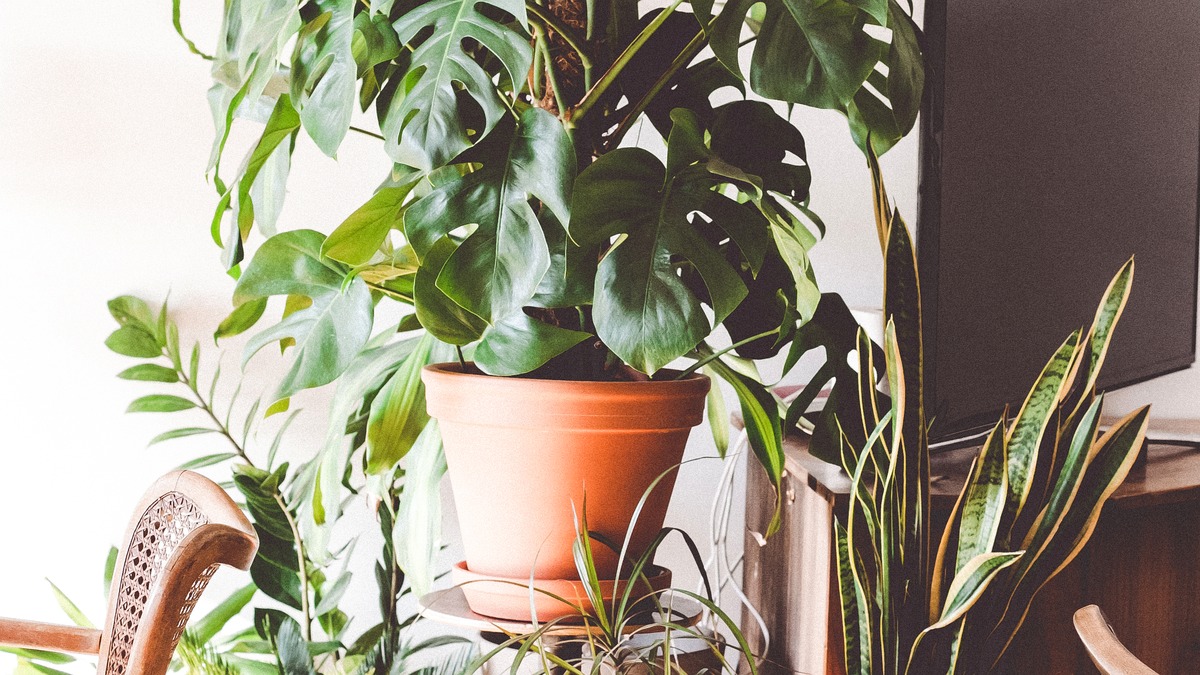
If you are looking for a houseplant that practically thrives on neglect, the Snake Plant is the undisputed champion. Known for its architectural, sword-like leaves with striking green and yellow patterns, this hardy specimen stands tall in living rooms, bedrooms, and office corners. It stores water inside its thick, fleshy leaves, meaning it prefers dry soil rather than damp roots. In fact, overwatering is one of the very few ways to harm this resilient plant.
Snake plants adapt comfortably to almost any lighting condition. They tolerate low-light corners where other plants struggle, yet they also handle bright, indirect light with ease. Because of its sturdy nature, the Snake Plant consistently tops every list of the best indoor plants for beginners that are hard to kill.
- Lighting: Low to bright indirect sunlight; tolerates artificial office fluorescent light.
- Watering: Water only when the soil is completely dry, typically once every 2 to 3 weeks in warm months and once a month during winter.
- Soil Type: Well-draining cactus or succulent potting mix.
- Ideal Temperature: 60°F to 85°F (15°C to 29°C); keep away from cold drafts.

2. The Unstoppable ZZ Plant (Zamioculcas Zamiifolia)
The ZZ Plant features glossy, dark green foliage that looks almost polished, giving your home a modern aesthetic without requiring constant maintenance. Underneath the soil, the ZZ Plant develops thick, potato-like underground stems called rhizomes. These rhizomes store large reserves of water, allowing the plant to survive extended periods of drought without dropping a single leaf.
Whether you place it in a dim hallway or near a bright window, the ZZ Plant continues to grow steadily. It rarely attracts common household pests and grows at a manageable pace, meaning you will not need to repot it frequently. For frequent travelers or busy professionals, it provides peace of mind alongside steady, dependable beauty.
- Lighting: Thrives in medium to low indirect light; avoid harsh direct afternoon sun.
- Watering: Allow the top 75% of the soil to dry thoroughly before watering; usually once every 2 to 4 weeks.
- Soil Type: Standard potting soil mixed with perlite for fast drainage.
- Feeding: Light balanced houseplant fertilizer once during spring and summer.
3. The Versatile Golden Pothos (Devil’s Ivy)
Golden Pothos is one of the most rewarding and cheerful indoor vines you can bring into your home. With heart-shaped leaves splashed with subtle golden-yellow variegation, this fast-growing climber looks spectacular cascading down bookshelves or hanging from decorative baskets. It communicates clearly when it needs hydration, showing slightly limp leaves that bounce back quickly just hours after a thorough drink.
Pothos is also exceptionally easy to propagate. You can snip a short stem just below a leaf node, place it in a glass jar of clean water, and watch healthy roots sprout within a couple of weeks. This simple propagation process allows beginners to create brand new baby plants to share with friends and family.
- Lighting: Moderate indirect light helps preserve leaf variegation, but it also survives well in low light.
- Watering: Water when the top inch of soil feels dry to the touch; drain any excess water sitting in the saucer.
- Growth Habit: Trailing vine; stems can be pruned back easily to encourage bushier growth.
- Humidity: Adapts readily to average room humidity levels.
4. The Cheerful Spider Plant (Chlorophytum Comosum)
Spider Plants have remained household favorites for decades because of their vibrant, arching leaves and lively personality. As mature plants grow, they send out long runner stems featuring delicate white blossoms, followed by adorable mini plantlets called “spiderettes.” These baby plants can be left on the parent plant for an impressive cascading display or easily clipped and planted into small pots.
Spider Plants tolerate a wide range of moisture levels and lighting setups. Their fleshy white roots store water efficiently, which provides forgiveness if you miss a watering schedule by a few days. They are also non-toxic to cats and dogs, making them an excellent choice for pet owners seeking the best indoor plants for beginners that are hard to kill.
- Lighting: Bright, indirect sunlight produces the healthiest growth; avoid harsh direct sun to prevent leaf scorching.
- Watering: Keep the soil lightly moist during spring and summer; allow the top half of soil to dry out between waterings in winter.
- Potting: Prefers containers with functional drainage holes to protect root health.
- Tip Care: Use filtered or rainwater if leaf tips become brown due to tap water minerals.
5. The Indestructible Cast Iron Plant (Aspidistra Elatior)
True to its industrial name, the Cast Iron Plant is built to survive conditions that would cause more delicate foliage to decline. Native to forest floors, this slow-growing plant features wide, deep-green leaves that reach upward gracefully. It handles low light, dry air, irregular watering, and temperature fluctuations with remarkable resilience.
Because it grows at a measured, calm pace, the Cast Iron Plant requires very little trimming or repotting. Simply wipe down its broad leaves with a damp cloth once every month to remove household dust, ensuring the plant absorbs available light effectively.
- Lighting: Deep shade to medium indirect light; keep shielded from direct sunlight.
- Watering: Water thoroughly once the top two inches of potting mix feel dry.
- Maintenance: Gently dust leaves periodically with a clean microfiber cloth.
- Repotting: Only necessary once every three to four years.
Common Beginner Houseplant Problems and Easy Solutions
Even when caring for the toughest houseplants, small setbacks can happen. Identifying early warning signals allows you to adjust your care routine before any lasting damage occurs. Here are the most common issues beginners encounter and how to address them quickly:
- Yellowing Leaves: The most common culprit is overwatering. Check the bottom of the pot. If the soil feels soggy, pause watering and allow the root ball to dry out completely before giving another drink.
- Brown, Crispy Leaf Tips: This usually points to dry indoor air or tap water sensitivity. Increase room humidity by grouping plants together, or switch to filtered water if your municipal water contains heavy chlorine.
- Pale or Stretching Stems: When a plant stretches toward windows with sparse leaves, it is signaling a need for brighter light. Move it closer to a well-lit window or an area with soft indirect sunlight.
- Drooping Foliage: Drooping can indicate either extreme thirst or root rot from excessive water. Touch the soil: if it feels dry as a bone, provide a deep watering; if it is saturated, let it breathe.
Simple Golden Rules for Lifelong Plant Success
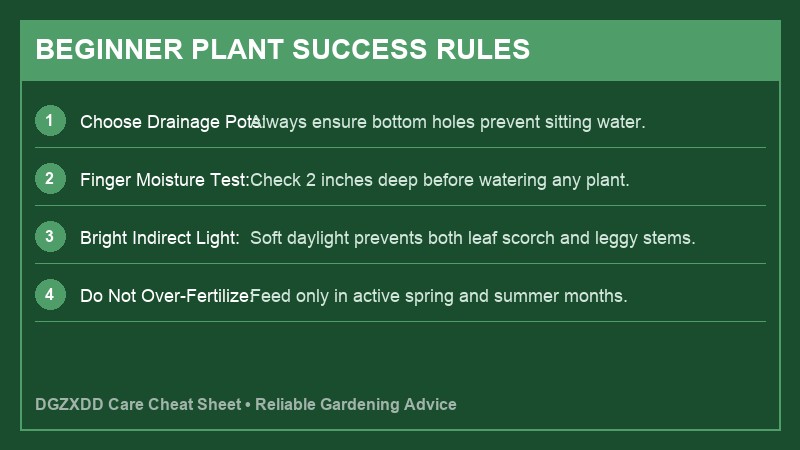
To keep your indoor greenery flourishing with zero stress, remember these three simple golden rules:
- Always choose pots with drainage holes: Excess water must always have an escape route to keep roots healthy.
- Use the finger test before watering: Insert your index finger an inch into the soil. If it feels cool and moist, wait a few more days before watering.
- Prioritize indirect light over direct sun: Most indoor varieties prefer gentle, filtered daylight rather than intense sun rays beating directly on their leaves.
If you are setting up your first indoor collection, make sure you also master how to water indoor plants correctly and check our complete Snake Plant beginner guide for foolproof results. For dim corners, explore our best indoor plants for low light dark rooms.
Authoritative Reference: For broader horticultural guidance on beginner species, consult the Royal Horticultural Society (RHS) Beginner Houseplant Guide.
Conclusion: Start Your Indoor Jungle Today
Bringing greenery into your living space should be a joyful and relaxing hobby, not a source of worry. By starting with the best indoor plants for beginners that are hard to kill—such as the Snake Plant, ZZ Plant, or Golden Pothos—you set yourself up for immediate success. Pick one or two resilient varieties that match your space and lighting, place them in lovely pots, and enjoy the calming presence of nature in your home every single day.


